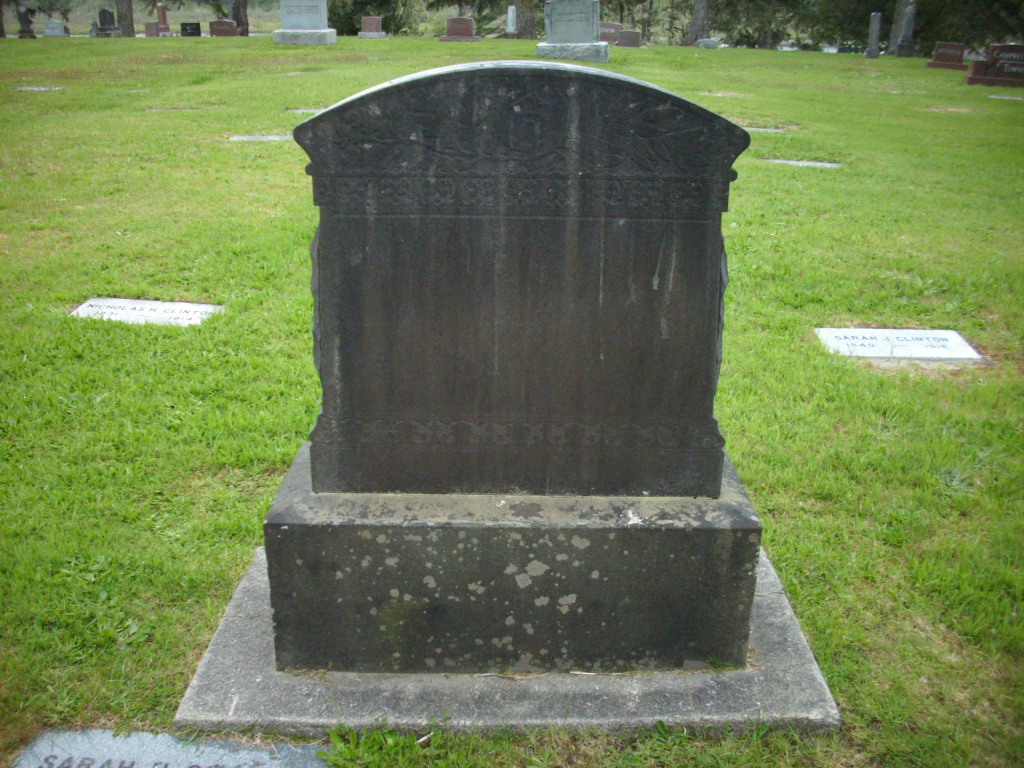
The death of Ashoke was very surprising to me, but even more surprising was the way that Gogol responded to it. Ashoke's death begins with stomach pains that seem like they would call for a visit to the local walk in rather than the hospital. I believe that Lahiri made the illness a sudden heart attack purposely so that Gogol could not go see him in time. Even if he could go back, I do not know if Gogol would have. He loved his father, but he may have played it off. When his sister, Sonia, finally told him that his father died, he aborted all else and made the trip to have his father buried. One of the defining moments of Gogol's final break from his Bengali culture is that he did not shave his head in deference to his father.
However much Gogol wants to leave his Bengali culture behind, it always comes back to him again in one form or another. This time, Moushumi was the one to deliver it. Gogol realizes that this is just another Bengali girl, but he is interested after a date or two. The amazing part is, because he has blocked out his culture and the parties that came with it, he did not even realize that Moushumi was the girl in the corner who only read. Looking back with his new "refined" tastes, this quiet, studious girl might have been more attractive to him. His hatred for all of the partying and yelling with food in one's mouth is not present with Moushumi. I cannot wait to see how Gogol deflects his Bengali culture after chapter eight.

However much Gogol wants to leave his Bengali culture behind, it always comes back to him again in one form or another. This time, Moushumi was the one to deliver it. Gogol realizes that this is just another Bengali girl, but he is interested after a date or two. The amazing part is, because he has blocked out his culture and the parties that came with it, he did not even realize that Moushumi was the girl in the corner who only read. Looking back with his new "refined" tastes, this quiet, studious girl might have been more attractive to him. His hatred for all of the partying and yelling with food in one's mouth is not present with Moushumi. I cannot wait to see how Gogol deflects his Bengali culture after chapter eight.